

Yes, South 400 is a relevant option to compare if you are looking for Fort Worth Central Station apartments with rentable storage. Fort Worth Central Station is the city’s main downtown transit hub for Trinity Metro bus service, TEXRail, Trinity Railway Express, and the Fort Worth to Dallas commuter rail connection, and South 400 lists both rentable storage units and proximity to a public transportation station, so the practical question is whether that combination fits your day-to-day routine.
For most renters, the real decision is not just whether storage exists, but whether it solves a specific problem tied to transit-based living: keeping seasonal gear, bike equipment, work supplies, moving boxes, or hobby items out of the apartment while still staying close to downtown rail and bus connections. Before you sign anywhere, confirm the exact storage setup, current fees, access rules, and whether the apartment layout you want already gives you enough in-home storage on its own.
What matters about Fort Worth Central Station if you plan to live nearby
Fort Worth Central Station is more than a single rail stop. It functions as the main downtown transfer point for Trinity Metro services, and it is also the downtown Fort Worth station for TEXRail and Trinity Railway Express. That matters because renters searching around the station are often balancing several kinds of trips at once: a weekday commute, airport access via rail, occasional trips to Dallas, and local bus connections when driving is not the first choice.
Because it is a transfer hub, living near Central Station can be useful even if you do not ride the same line every day. A renter who takes TEXRail part of the time, uses buses for downtown errands, or needs periodic access to TRE has a different set of priorities than someone who only cares about being near a single stop. In that context, nearby housing with extra storage can be more valuable than it first appears, especially if you are trying to keep bulky items without upsizing to a larger apartment.
The key verification step is to map your actual door-to-door pattern, not just the station name. Look at where you would leave your apartment, where you would park or walk, and which entrance or platform you would use most often. Downtown transit access can feel very different depending on whether you are traveling at rush hour, carrying work gear, using a bike, or making a late-evening return trip.
It is also worth separating “near downtown” from “easy for my routine.” A location can be generally central but still work better for some schedules than others. If you plan to rely on Central Station often, check current Trinity Metro, TEXRail, or TRE maps and schedules directly, then compare that information with a live map route from South 400 at 400 S Jennings Ave to the station at the times you would actually travel.
Why rentable storage can matter more near transit than it does in a car-only setup
Rentable storage is especially relevant for renters who want to keep their apartment simpler while still holding onto items that support work, recreation, or occasional travel. Near a major transit hub, that can include luggage, cycling accessories, extra household supplies, event equipment, or seasonal clothing that you do not want taking over your closet. Having storage in the community is a different proposition from renting a separate off-site self-storage unit, because it may reduce extra driving and simplify access.
At South 400, rentable storage units are listed as a community amenity, and that is the first fact to confirm in detail with the leasing team. Ask whether storage is currently available, whether it is assigned separately from the apartment lease, whether access hours differ from building access, and whether there are size options. Those details shape whether the feature is truly useful for your routine or just nice to have in theory.
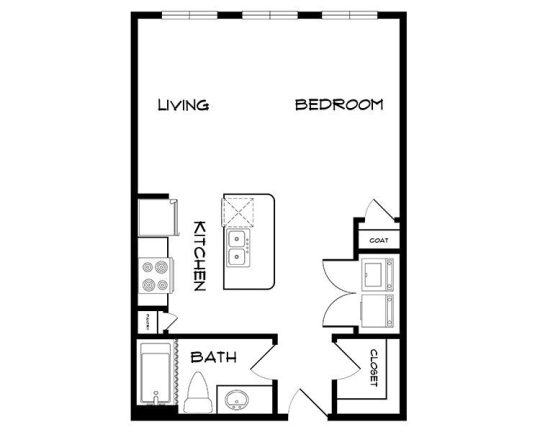
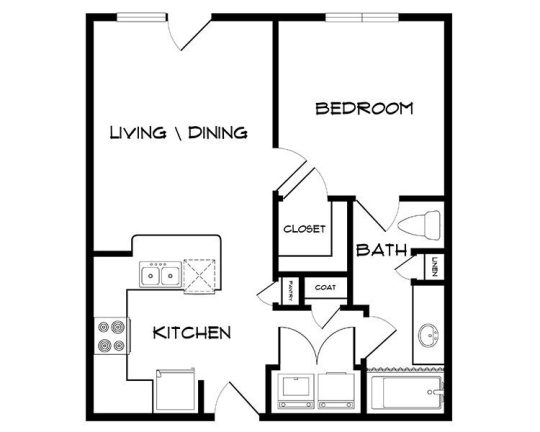
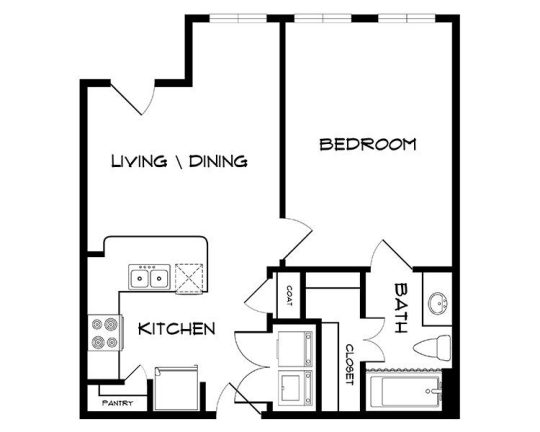
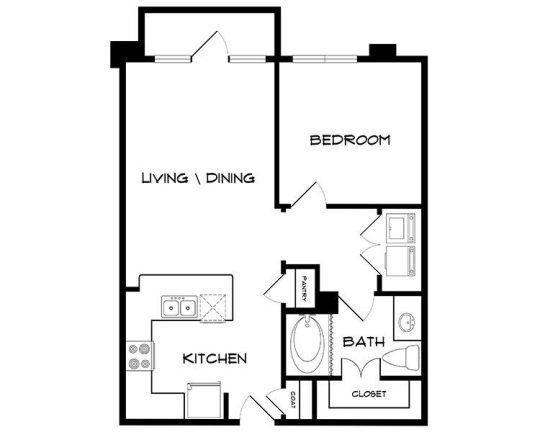
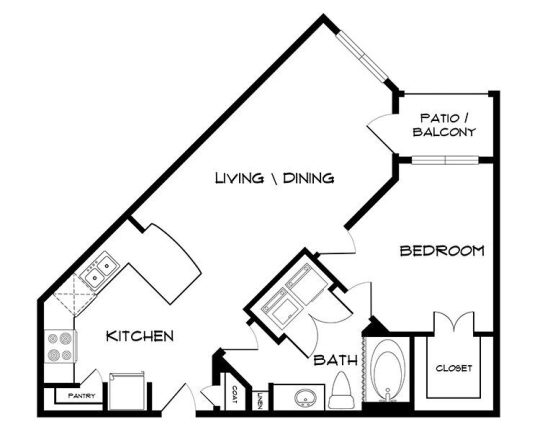
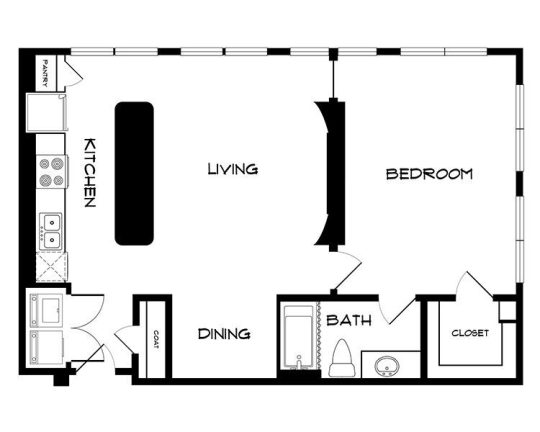
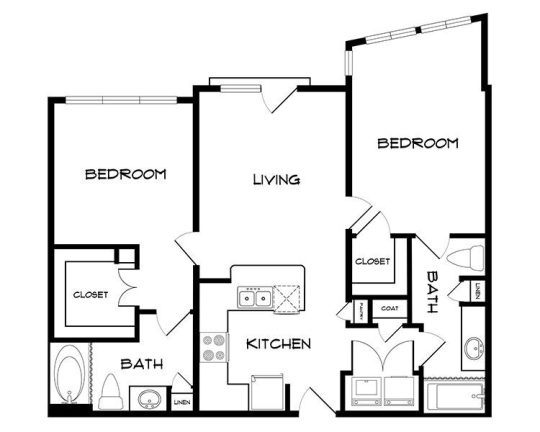
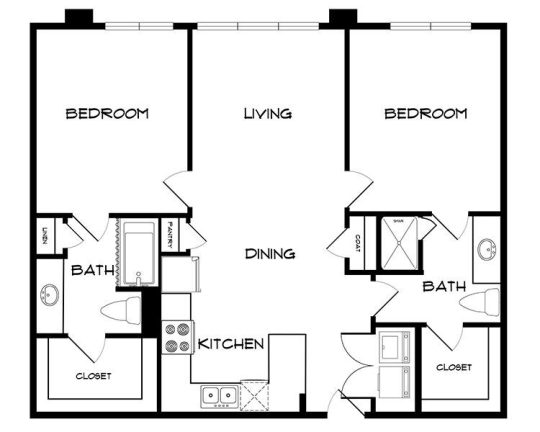
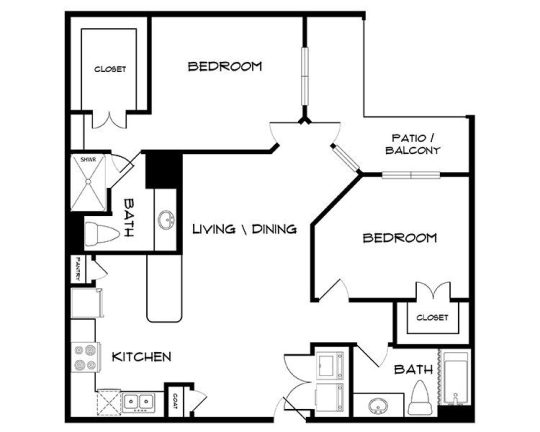
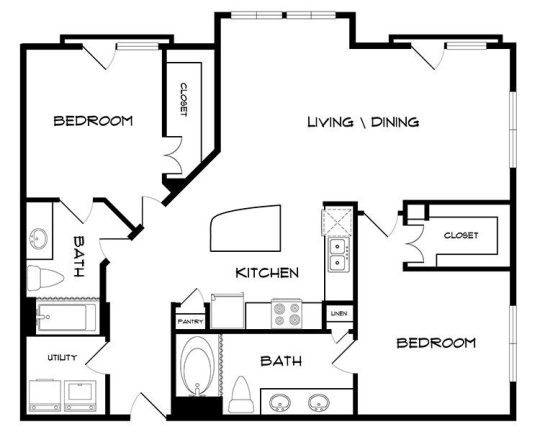
Storage also affects which floor plan makes sense. South 400 offers a studio, several one-bedroom layouts, and several two-bedroom layouts. If you are deciding between a smaller home plus a storage unit, versus paying for more interior square footage, the right answer depends on what you own. For example, occasional-use items may be easy to keep in rentable storage, while things you need every week may be better kept inside the apartment in existing closets, shelving, cabinets, or pantry space where applicable.
There is a trade-off to keep in mind. On-site storage is useful, but it is not a substitute for verifying your core living needs inside the apartment itself. South 400 lists features such as walk-in closets with shelving, built-in shelving and cabinets, linen closets in some layouts, and kitchen pantry space in some homes, yet storage needs vary a lot by household. During a tour, ask to see the exact apartment or a similar layout, then compare its everyday storage with the separate rentable storage option so you do not overestimate what either one can handle.
How to evaluate South 400 for this specific question
For this search, the most relevant property facts are the ones that directly affect transit-oriented living with extra belongings. South 400 lists rentable storage units, bicycle storage, a limited-access parking garage, secured corridors and elevators, package reception, and proximity to a public transportation station. Those features matter because renters near Central Station often want flexibility: rail access when it helps, secure space for gear, and the option to keep a car without depending on it for every trip.
If you bike to transit, bicycle storage may matter as much as a storage unit. If you drive to work most days but want downtown rail as a backup, the parking garage becomes part of the decision too. If you receive deliveries or travel often, package reception can be more practical than it sounds. None of those features replaces the need to verify your actual route to Central Station, but together they give you a more realistic picture of how the property may support a mixed commute.
When you compare South 400 with other apartments near downtown Fort Worth, ask focused questions instead of broad ones. Rather than asking only whether storage is available, ask how residents typically use it, whether there is a waiting list, how access works, and whether you can lease it at move-in or later. Rather than asking only whether the property is near transit, pull up the route while you are touring and see how that trip looks in real conditions.
A sensible next step is to contact South 400 and ask for two things at once: confirmation of current storage-unit availability and a tour of the floor plan range that best matches your belongings. That will let you judge whether a smaller apartment plus on-site storage makes more sense for your Central Station routine than simply renting more interior space.