
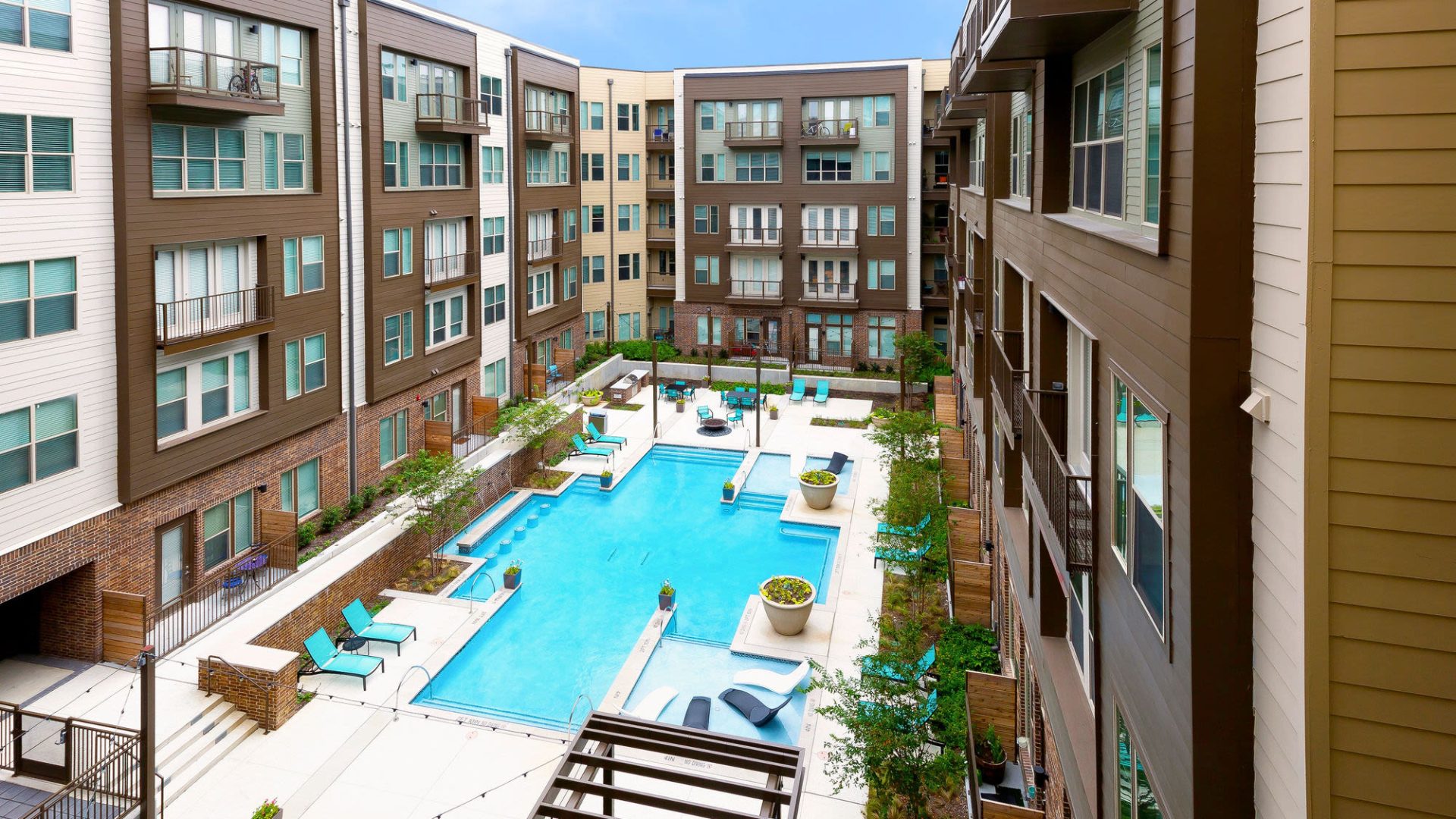
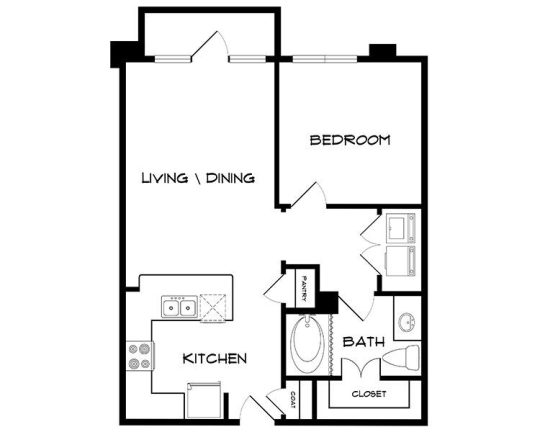
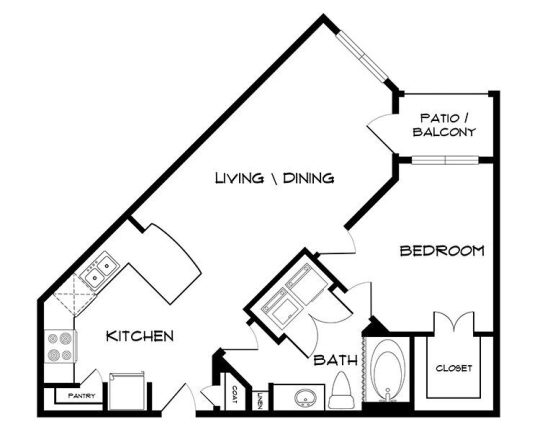
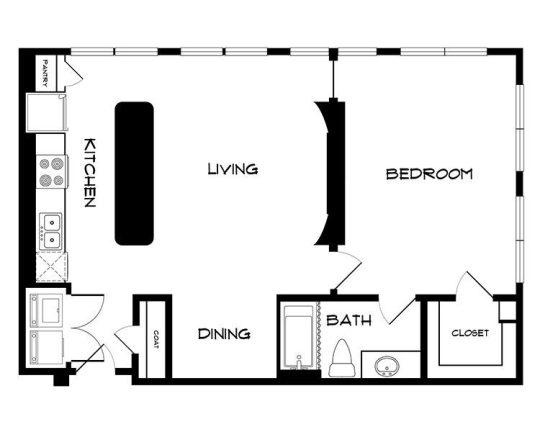
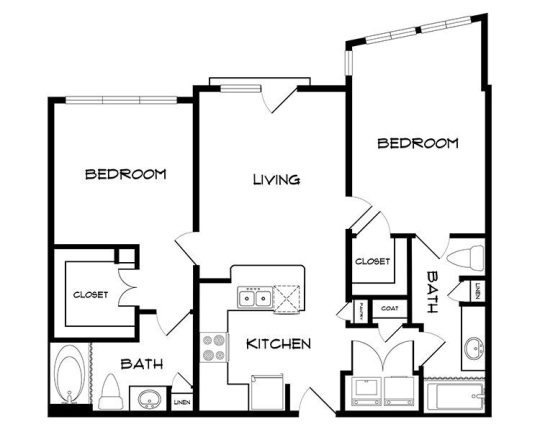
If you are specifically looking for Fort Worth apartments with storage units, the key question is usually not just whether storage exists, but how it is offered and whether it actually fits what you need to store. South 400 lists rentable storage units among its community amenities, which makes it a relevant property to consider if you want apartment living and extra storage in one place.
That said, renters should verify the details that matter most before making a decision: unit size, monthly cost, availability, access rules, and whether the storage is in the same building or another part of the community. Those details can change how useful on-site storage really is for daily life.
What to look for when an apartment advertises storage units
Storage can mean very different things from one community to another. In some apartment properties, storage is an assigned closet, cage, or small room intended for seasonal items. In others, it may be a separate rentable space designed for larger household overflow. A listing that says storage is available is a good starting point, but it is not enough by itself to tell you whether it will solve your specific space problem.
The first practical step is to make a short inventory of what you actually need to store. Holiday bins, bicycles, luggage, business supplies, pet gear, and moving boxes all have very different space and access needs. If you need to get to your items weekly, on-site storage can be much more useful than an off-site self-storage facility. If you only need long-term overflow space, size and price may matter more than immediate convenience.
You should also ask whether the storage is offered to all residents or only when a limited number of spaces are available. Rentable storage units are often finite. In a community setting, availability can matter just as much as the fact that the amenity exists. If storage is essential for your move, confirm that a unit can be reserved with your lease rather than assuming one will be open later.
Access and security are worth clarifying too. South 400 lists secured corridors and elevators, plus a limited access parking garage, which suggests an access-controlled environment may be part of the overall resident experience. Even so, a renter should still ask where the storage units are located, how residents enter them, and whether access hours or procedures differ from normal apartment access.
How South 400 fits this search, and what kinds of renters should verify first
South 400 is at 400 S Jennings Ave in Fort Worth’s Near Southside area, just south of downtown. For renters who want to combine apartment living with extra storage, that location can matter because it places the community in an urban part of the city where square footage is often balanced against walkability, building amenities, and access to central destinations. In that context, on-site storage can be a meaningful practical feature rather than a minor add-on.
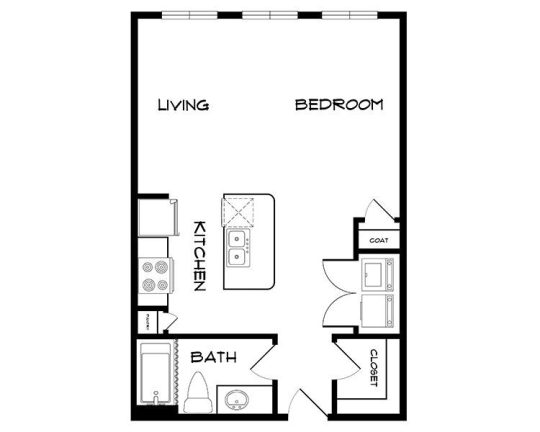
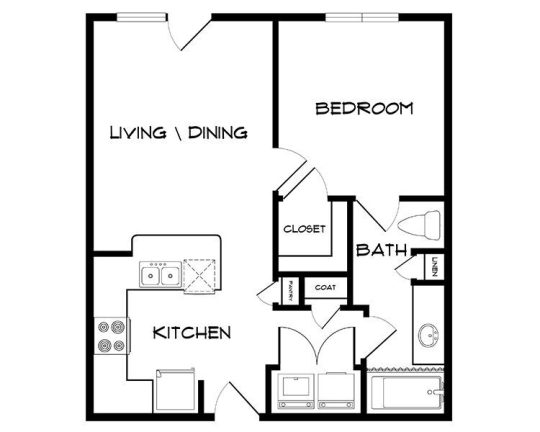
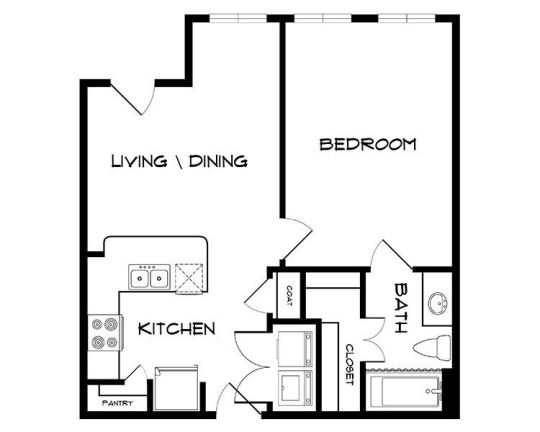
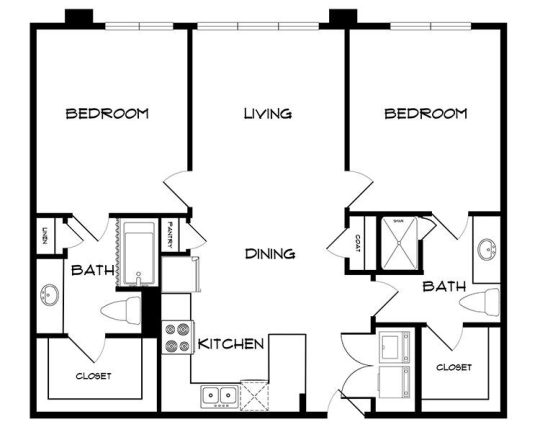
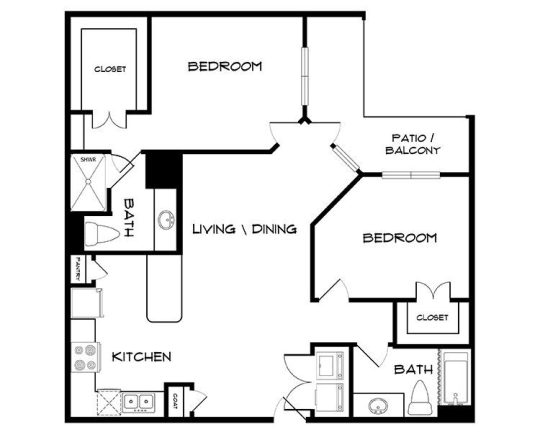
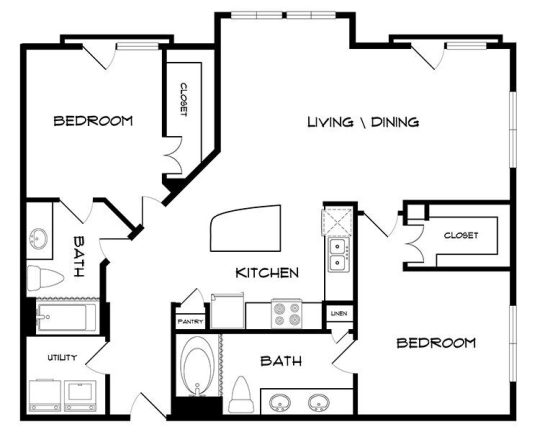
The property’s published amenity list specifically includes rentable storage units, so it is reasonable to contact the leasing team if extra space is a deciding factor. South 400 also offers floor plans ranging from a studio to one- and two-bedroom layouts. That matters because your storage needs may change depending on the home you choose. A studio or smaller one-bedroom renter may rely more heavily on a separate storage unit for seasonal clothing, sports equipment, or records, while a larger layout may reduce that need.
Several in-home features may also affect how much external storage you need. South 400 lists built-in shelving and cabinets, walk-in closets with shelving, kitchen pantries, and linen closets among its resident amenities. Those features can help with daily organization, but they do not necessarily replace a separate storage unit if you have bulky items, business inventory, bikes, or infrequently used household goods. The practical question is whether your overflow is “closet overflow” or true long-term storage.
Another useful point for some renters is that South 400 lists a bicycle storage center in addition to rentable storage units. That distinction matters. If your main concern is bike storage, ask whether the bicycle storage area is the better fit, and whether it is more secure or more convenient than renting a general storage unit. If your needs include both a bike and boxed household items, ask how residents typically split those uses so you can avoid paying for the wrong type of space.
Questions to ask before you rely on on-site storage for your move
Before you sign a lease anywhere, ask for the exact storage arrangement in writing or in a current leasing quote. Useful questions include: what sizes are available, how the monthly charge is structured, whether there is a one-time fee, whether the space is climate controlled, and whether the storage can be added later if you move in before deciding. These are standard, decision-shaping details, and they matter more than a simple yes-or-no storage listing.
You should also confirm how close the storage is to your apartment home. A same-floor or same-building storage room can be much more useful than a space that requires an elevator trip, garage access, or a walk across the property. That difference may not matter for holiday décor, but it matters a lot for strollers, work materials, pet supplies, or anything you need regularly. Ask to see both the apartment and the storage location during the same tour if possible.
Insurance and item restrictions are another important verification step. Apartment storage policies often differ from large self-storage operators. Ask whether certain items are prohibited, whether resident renters insurance covers property kept in the storage unit, and whether there are recommendations for packing or shelving. Those answers help you compare the true usefulness of apartment storage against an off-site alternative.
If South 400 is on your shortlist, the best next step is simple: call 682-243-5907 or visit south400.com and ask specifically about current storage-unit availability, sizes, pricing, and where those spaces are located within the community. If storage is a major part of your decision, ask to tour the storage area along with the floor plan you are considering so you can judge whether the setup matches how you actually live.