
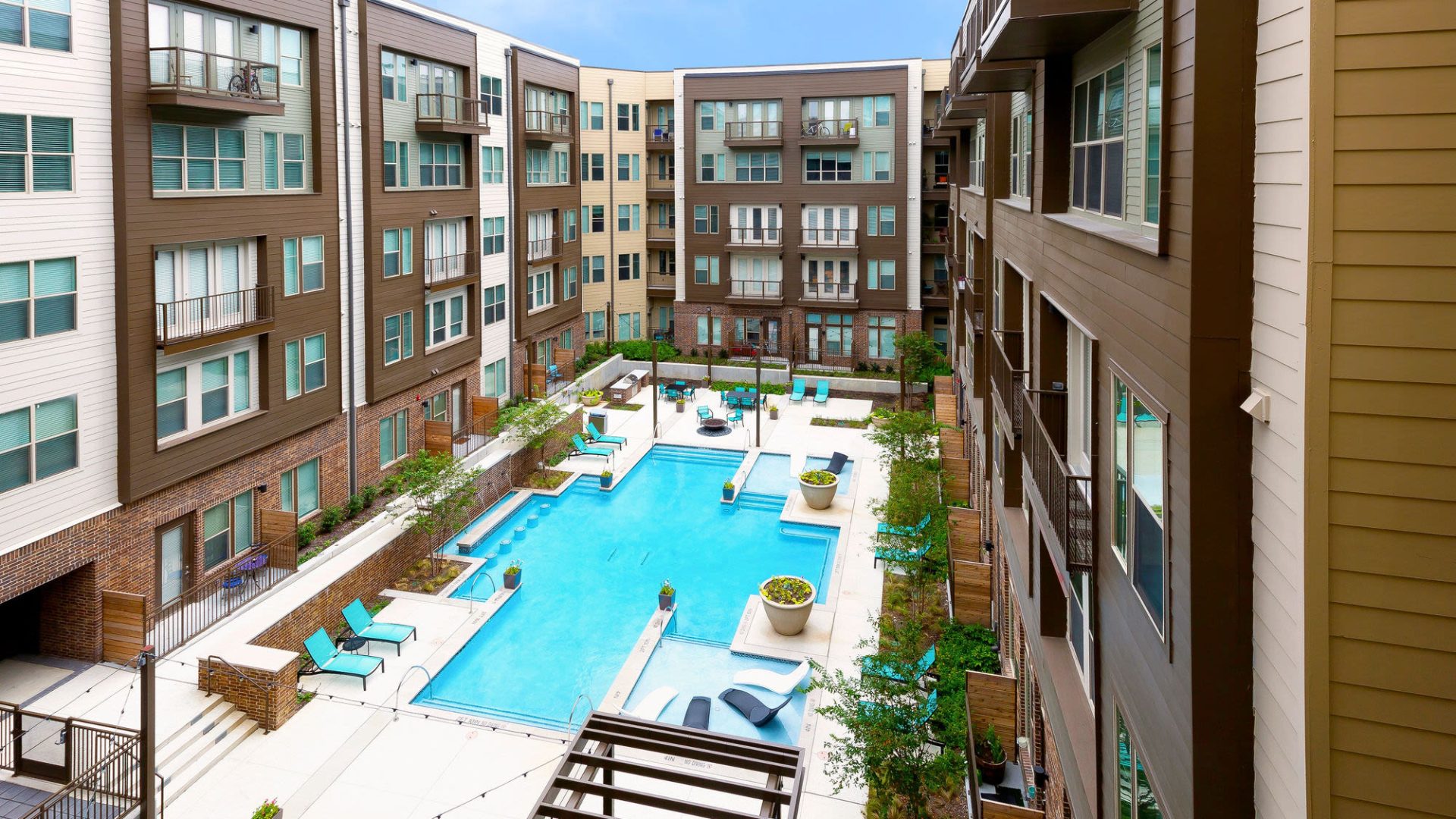
Yes, South 400 is a relevant option if you are specifically looking for Fort Worth apartments with bike storage, because the community lists a Bicycle Storage Center among its amenities. That matters more than a generic “bike-friendly” claim, since a dedicated storage area can help you avoid keeping a bike inside your apartment or leaving it exposed outdoors. Before you lease, confirm how access works, whether space is assigned or first come first served, and what type of lock setup the property recommends.
What bike storage should mean in practice
For renters, bike storage is not just a box to check on an amenities list. The practical question is whether the setup fits how you actually ride: daily commuting, weekend trail rides, e-bike use, or occasional recreational trips around Fort Worth. A community that offers a Bicycle Storage Center is usually more useful than a property that only allows bikes on patios or in living rooms, because it suggests there is a designated place built into the property rather than an improvised solution.
That said, “bike storage” can cover very different arrangements. At one property, it may mean an indoor room with controlled access. At another, it may mean racks in a garage or another covered area. Those differences affect security, weather exposure, ease of carrying a bike upstairs, and whether the setup works for heavier bikes, children’s bikes, or bikes with wide handlebars or accessories.
Security details matter as much as the existence of storage itself. South 400 also lists secured corridors and elevators, plus a limited access parking garage, which suggests the broader building access system may be more controlled than an open-site property. Even so, you should still ask whether the bike storage area itself is behind a locked door, whether residents need a fob or code, whether there is camera coverage, and whether management has any rules about removing batteries from e-bikes or storing oversized gear.
Another practical point is convenience. If you ride often, the best bike storage is the one you will actually use every day without hassle. During a tour, ask to see the route from the storage area to the street, not just the storage room itself. A setup that looks good on paper can be less useful if it requires multiple doors, awkward turns, or elevator use every time you leave.
How to evaluate South 400 if you plan to ride regularly in Fort Worth
South 400 is at 400 S Jennings Ave, just south of downtown Fort Worth in the Near Southside and Medical District area. That part of the city can be appealing to renters who want urban access and a shorter connection to central destinations, but bike usefulness depends on your exact routine. Riding to work, school, dining, or errands can feel very different from one block to the next, especially where major streets, traffic speeds, rail crossings, and construction are involved.
Because street conditions and bike comfort levels vary, it is smart to test your own likely route before making a decision. Look up the address in a map app with bicycling directions, then compare that with a street view check of the same route. Pay attention to whether your ride uses calmer neighborhood streets, painted bike lanes, shared traffic lanes, or complex intersections. A route that works for an experienced rider may feel very different for someone riding at night, carrying a backpack, or traveling with a child seat or cargo.
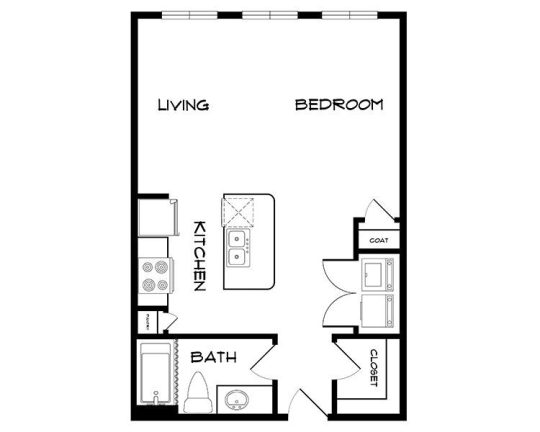
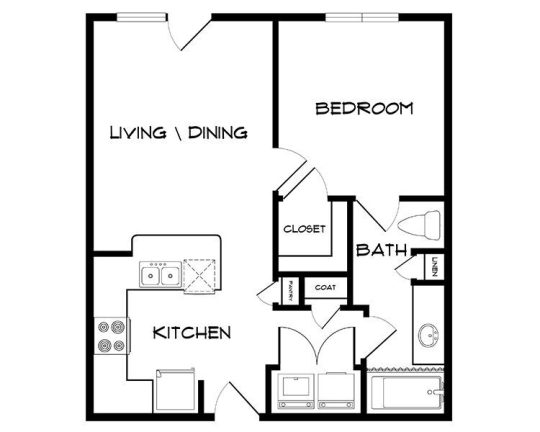
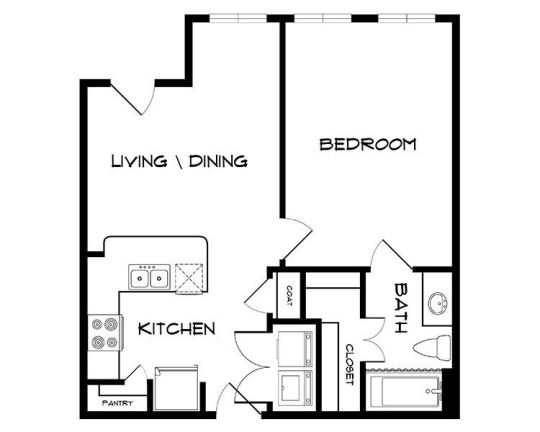
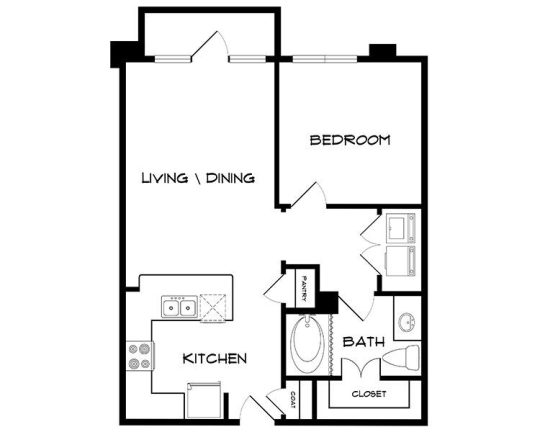
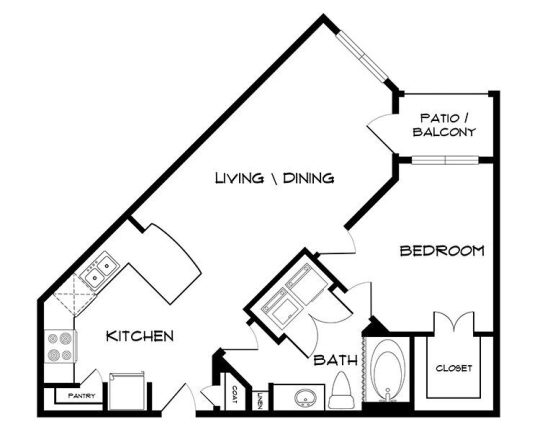
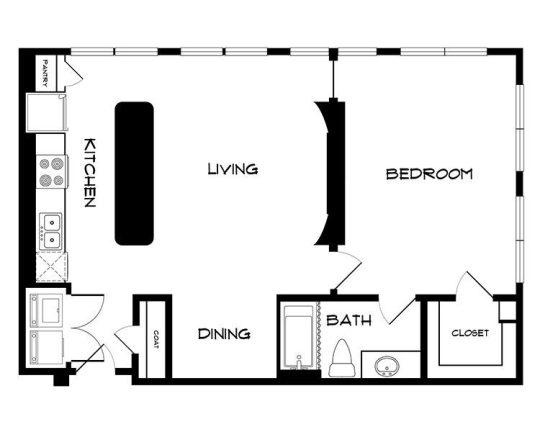
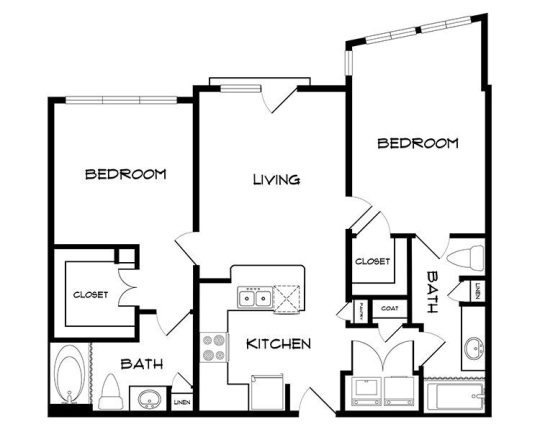
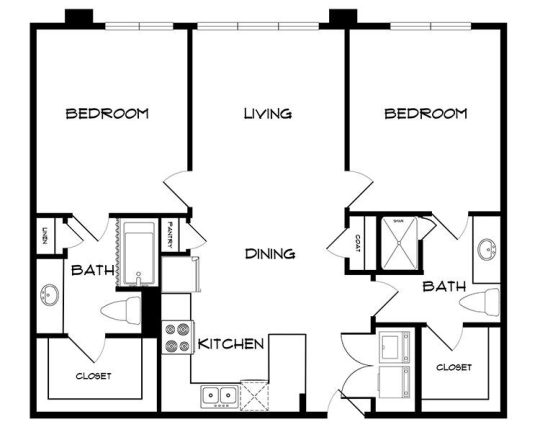
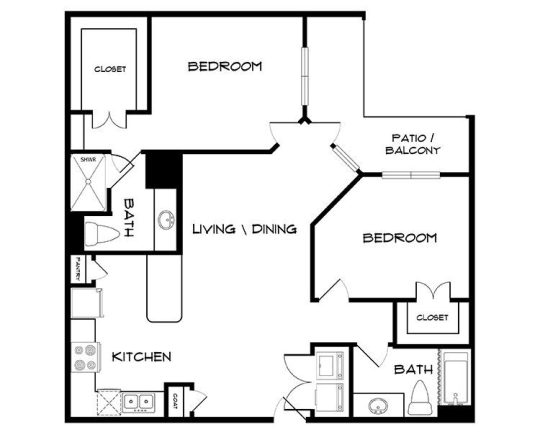
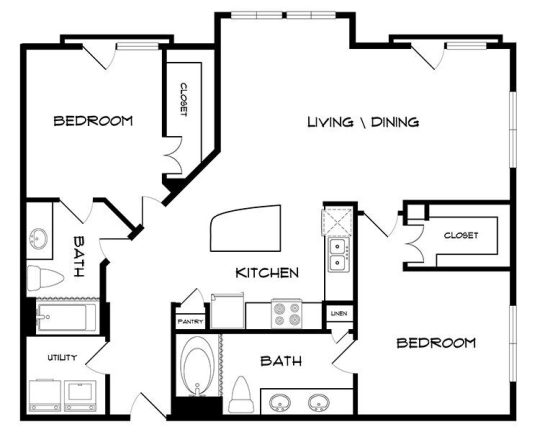
Fort Worth riders should also think beyond the commute itself. If you use regional trails for exercise or weekend riding, ask how easily you can roll a bike out of the building, load it into a vehicle, or connect to local streets without dealing with stairs or long detours. If you keep more than one bike, ask whether the storage area can handle that, or whether your household would need to keep one bike in the apartment. South 400 has floor plans ranging from a studio to two-bedroom layouts, which may matter if indoor backup storage is part of your plan, but the better first question is whether the community bike area meets your real storage needs.
There is also a day-to-day trade-off to consider. A designated bike storage amenity is helpful, but it is not the same as private, in-unit storage. If you own an expensive road bike, carbon-frame bike, or e-bike, you may care about climate exposure, charging policies, and how much handling the bike requires between your apartment and the storage area. Those are all reasonable questions to raise with the leasing team, and they are more important than the simple yes-or-no answer on whether bike storage exists.
What to confirm before you rely on the amenity
When you tour, ask to see the Bicycle Storage Center in person. Verify whether there are fixed racks, wall mounts, or another system, and whether you need your own lock. If you use an e-bike, ask whether the property allows battery charging in the storage area or expects batteries to be charged inside the apartment. Policies on that point can affect both convenience and safety planning.
You should also ask about capacity and turnover. A bike room can be much more valuable when there is enough space for active residents, and less useful if it fills up quickly or informally collects abandoned bikes. Good follow-up questions include whether spaces are reserved, whether registration is required, how abandoned bikes are handled, and whether management has seasonal reminders or enforcement procedures.
For many renters, the surrounding access matters almost as much as the storage itself. South 400 lists easy access to major thoroughfares and proximity to public transportation. If your routine mixes cycling with transit, ask which nearby station residents typically use and whether bringing a bike onto that service is allowed under the transit agency’s current rules. Those rules can change, so it is best to verify them directly with the provider rather than assume a bike-storage amenity automatically makes multimodal commuting simple.
If bike storage is high on your list, the most useful next step is a focused tour rather than a general amenities walkthrough. Call South 400 at 682-243-5907 and ask to see the bike storage area, the access route to and from the street, and any current community rules that apply to bike or e-bike storage. That gives you a concrete answer based on how you actually plan to ride, not just on an amenities list.