

Yes, there are apartments near public transportation in Fort Worth, TX, and South 400 is one of the communities worth evaluating if transit access matters to your routine. It is located at 400 S Jennings Ave in the Near Southside and south downtown area, where Trinity Metro bus service and TEXRail access are part of the transportation picture, but the right fit depends on which line you need, how often you travel, and whether you also plan to drive, bike, or walk part of the trip.
For most renters, the real question is not just whether transit exists nearby, but whether it works for the places you go most often. In Fort Worth, that means checking the specific station or stop you would use, the direction of travel, frequency by time of day, and what the first and last part of the trip looks like from your apartment door.
What public transportation in this part of Fort Worth actually looks like
Fort Worth transit is anchored by Trinity Metro, which operates local bus service, TEXRail, Trinity Railway Express connections, ZIPZONE on-demand service in certain areas, and other mobility options. For renters looking at central Fort Worth, the most relevant fixed-route options are usually bus service on nearby corridors and rail access through downtown stations rather than a single door-to-door line for every destination.
South 400’s address on South Jennings places it in a part of the city where you can reasonably investigate transit use for downtown Fort Worth, Fort Worth Central Station, and destinations connected through the larger Trinity Metro network. That matters because Central Station is the main transfer point for multiple modes, including buses and rail connections, so being near downtown can be more useful than being near only one isolated stop.
TEXRail is especially relevant if your routine includes downtown Fort Worth, Grapevine, North Richland Hills, or Dallas Fort Worth International Airport. TEXRail runs between downtown Fort Worth and DFW Airport’s Terminal B, which gives some renters a car-light option for airport trips or jobs tied to stations along that corridor. If airport access is part of your decision, verify the nearest practical boarding station for your exact address and whether your preferred departure times line up with current service.
It is also important to understand what “near transit” can mean in real life. A property may be in a transit-served district, but the quality of access changes based on sidewalks, street crossings, shade, nighttime lighting, weather, and whether you are carrying groceries, commuting early, or traveling with children. In Fort Worth, summer heat alone can make a short walk feel very different from a manageable one, so map the actual pedestrian route, not just the straight-line location.
How to evaluate whether South 400 works for a transit-based routine
Start with your destination list, not the apartment list. If you commute to downtown offices, Tarrant County College locations, the Medical District, DFW Airport, or another place served by Trinity Metro, pull up the current system map and trip planner and test your likely departure times on weekdays and weekends. A route that looks easy at noon may be much less useful before 7 a.m., after evening shifts, or on Sundays.
South 400 does have one property feature that matters to this question directly: it advertises that it is near a public transportation station. That is helpful as a starting signal, not as the final answer. Before signing a lease, confirm which station or stop residents actually use most, how they reach it on foot or by bike, and whether that route feels realistic for your schedule.
Because transit use is rarely all-or-nothing, parking and bike support can matter almost as much as the nearest stop. South 400 lists a limited-access parking garage, EV charging stations, and a bicycle storage center. Those features can support a mixed commute, such as driving on days with tight schedules, biking to a station, or keeping one household car instead of two. If that is your plan, ask how bike storage access works and whether parking arrangements for your household fit the way you expect to combine driving and transit.
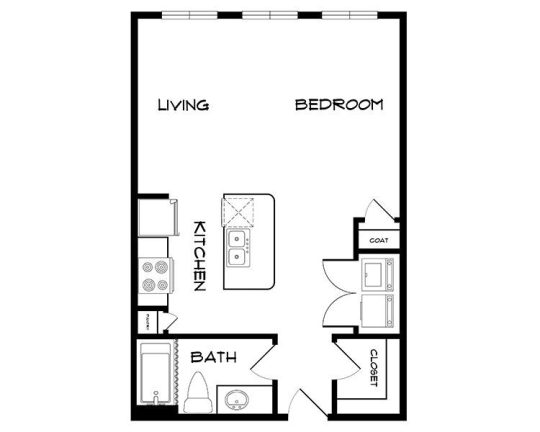
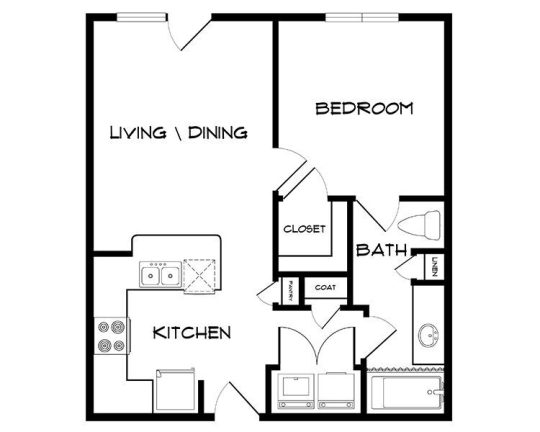
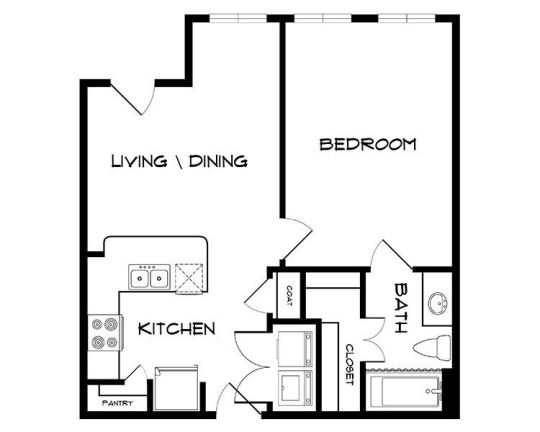
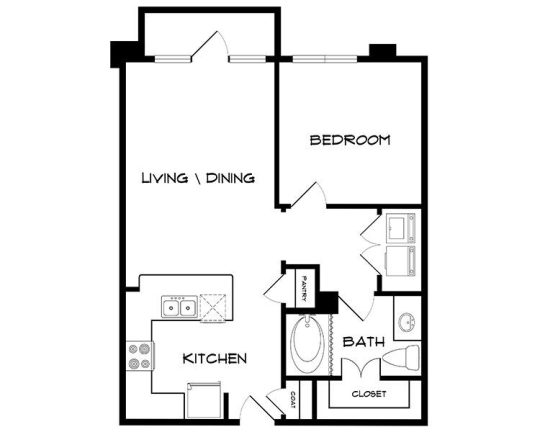
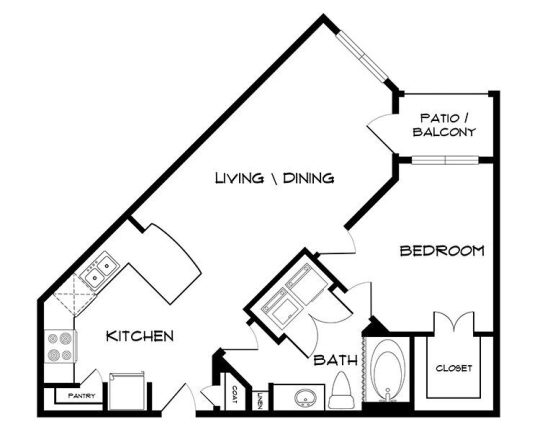
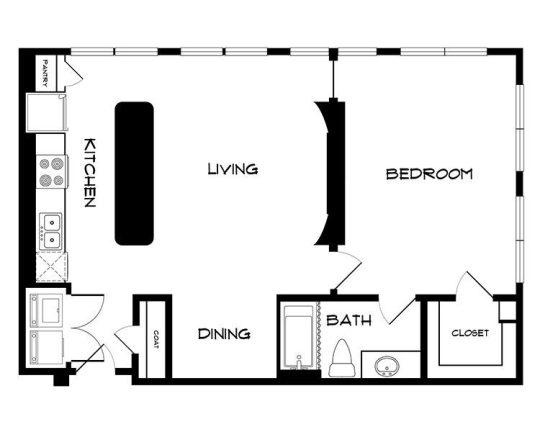
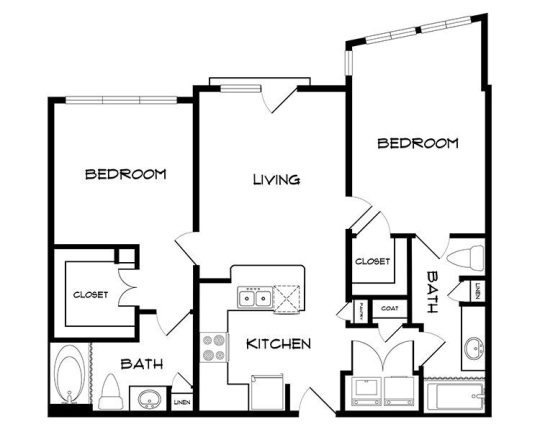
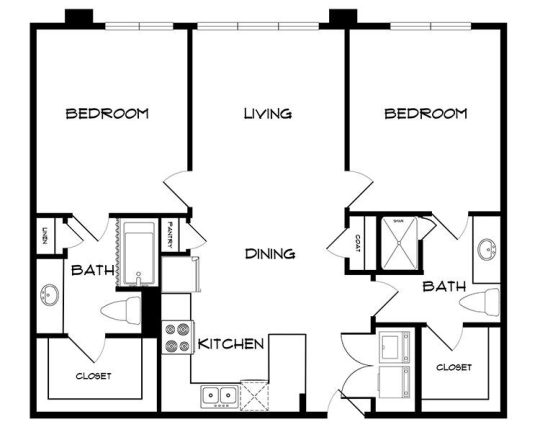
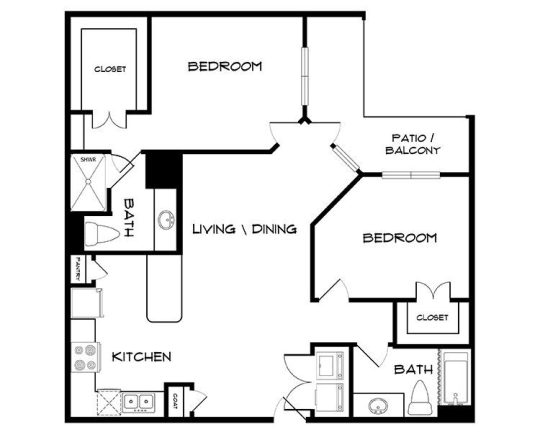
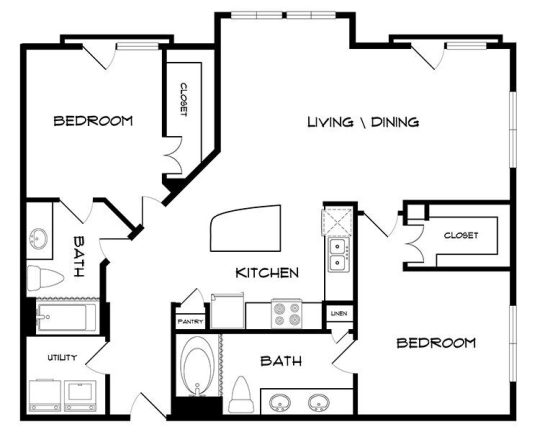
Home layout can also affect whether a transit-oriented setup feels practical. South 400 offers studio, one-bedroom, and two-bedroom floor plans, including an E1 studio at 605 square feet, one-bedroom layouts from 684 to 735 square feet, and two-bedroom options from 988 to 1,100 square feet. That range matters if one person commutes by transit while another works from home, or if you want extra room for bike gear, luggage, or staggered schedules. Current pricing, lease terms, availability, and move-in timing can change, so those details are best confirmed directly with the leasing team.
Questions that matter more than the label “near public transportation”
One useful reality check is to separate daily commuting from occasional transit use. Some Fort Worth renters mainly want rail access for airport trips, events, or downtown outings, while others need dependable weekday commuting without a car. Those are different standards. A property can be a strong match for occasional TEXRail or bus use and still be a weaker fit for someone who needs a simple one-seat ride every day.
Another trade-off is that central neighborhoods often give you better access to multiple transportation modes, but not always the simplest trip for suburban job centers. If your workplace is outside Trinity Metro’s strongest service area, you may still end up driving most days even if you like living near transit. That does not make the location a bad choice, it just means the transit benefit may be strongest for selected destinations rather than every trip.
Household routine matters too. Pet owners may care about whether an early-morning or late-night transit commute leaves enough flexibility for walks and returns home on time. South 400 has a fenced dog park, pet stations, and no pet weight limit, which can make a schedule built around commuting and pet care easier to manage. If transit timing is tight, on-site pet amenities can make a noticeable difference in day-to-day logistics.
The best next step is simple: test your actual trip from 400 S Jennings Ave to the places you visit most using Trinity Metro’s current trip-planning tools, then ask South 400 which nearby stops or stations residents rely on most. That gives you a more accurate answer than any generic “near transit” claim, and it lets you judge whether this location fits your routine before you tour.