
Fort Worth Central Station is the main downtown transit hub for Trinity Metro bus service and TEXRail, so renters who want to live near it are usually trying to simplify daily trips, reduce car dependence, or stay connected to downtown and regional destinations. For that search, apartments near Fort Worth Central Station with retail space can be especially appealing because ground-floor storefronts may add practical day-to-day convenience, but the better question is how well the home actually supports a station-centered routine.
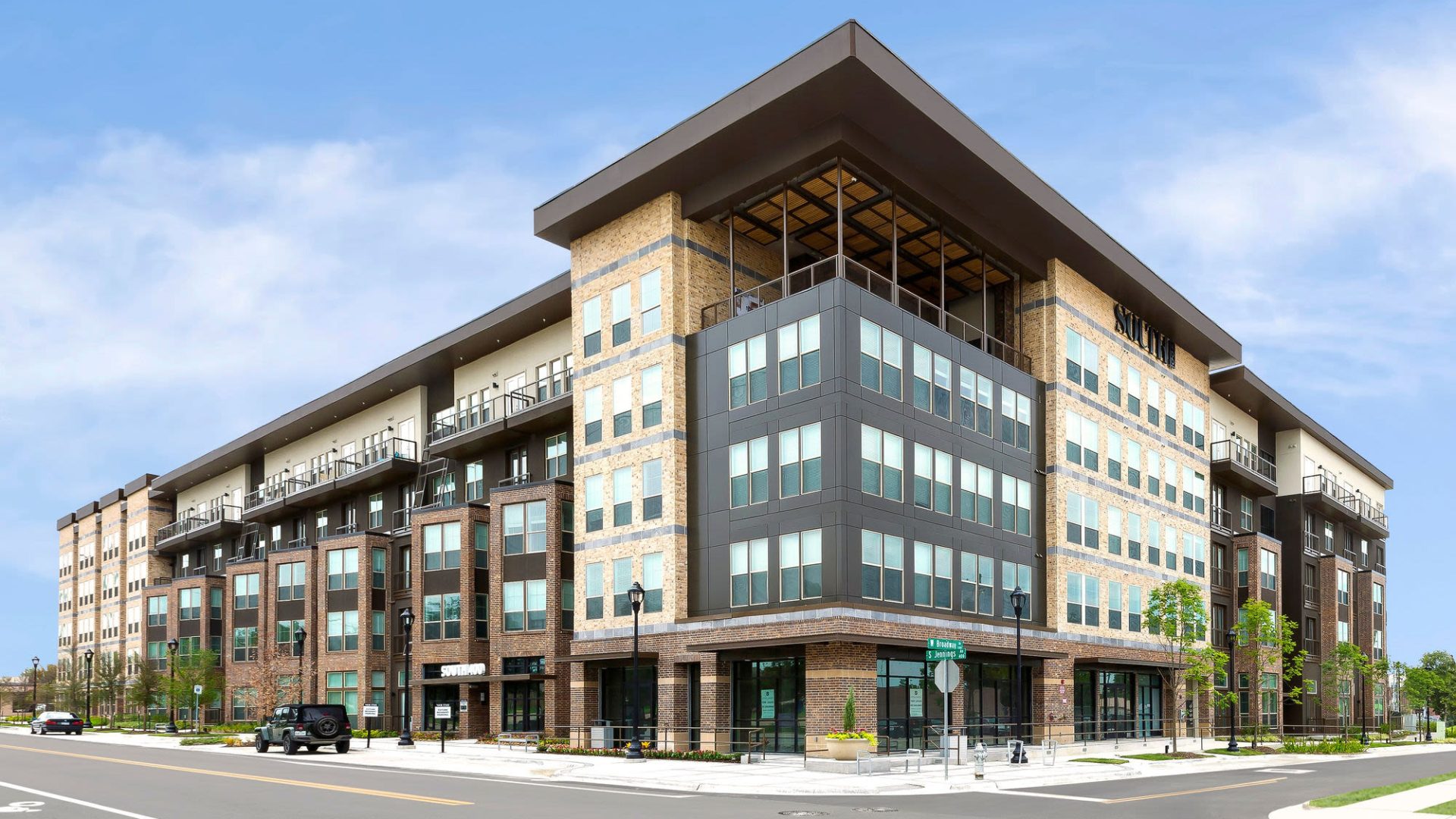
South 400, at 400 S Jennings Ave in Fort Worth, is relevant to that question because it offers first floor retail spaces and notes access to public transportation, while also providing a limited access parking garage and bicycle storage center. Those details matter if you want the flexibility to use transit often without giving up the option to drive, bike, or handle errands close to home.
What Fort Worth Central Station actually offers renters
Fort Worth Central Station is more than a single platform stop. It functions as a transfer point in downtown Fort Worth, connecting local bus service and TEXRail. That matters because living near the station is usually less about one destination and more about having options, such as getting to a downtown job, reaching another part of the city by bus, or using rail for specific trips when it fits your schedule.
For renters, the biggest practical benefit of living near a central transit hub is flexibility across different routines. A weekday commuter, a student with an irregular class schedule, a hospital worker with varying shifts, and a household with one car can all value the station for different reasons. The key is to match your actual pattern of travel to the service you would use most often, then verify current schedules and stop locations directly with Trinity Metro before signing a lease.
It is also important not to over-assume what “near the station” means in real life. A place can be close enough to look appealing on a map but still feel different depending on your route, whether you are walking before sunrise, whether you carry a laptop or groceries, and whether you expect to ride every day or only occasionally. When comparing communities, test the route at the time of day you would actually leave and return, rather than relying only on map pins.
Central Station can also appeal to renters who want easier access to downtown Fort Worth without living directly on top of the busiest blocks. In that case, the value is not only transit itself. It is the combination of downtown access, transfer options, and the ability to choose rail, bus, bike, rideshare, or driving depending on the day. That is often more useful than treating transit access as an all-or-nothing lifestyle decision.
Why retail space in the building can matter, and what to verify
Retail space at an apartment community can be genuinely useful, but only if it serves your routine. Ground-floor storefronts may eventually mean easier access to services or neighborhood errands without getting in the car, which pairs naturally with station-oriented living. If your goal is to shorten small daily trips, on-site retail is more meaningful than as a marketing phrase alone.
At the same time, retail space and occupied retail space are not the same thing. A building may have designated storefronts, but the specific businesses, hours, and opening dates can change over time. Before you make a decision based on that feature, ask which retail spaces are already leased, which are open to the public now, what categories of business are expected, and whether any tenant openings are confirmed rather than anticipated.
Retail at street level can also affect how the building feels. Some renters like the added street activity and the sense that the ground floor is active during the day. Others may want to know how storefront access, deliveries, parking patterns, and evening activity relate to the residential entrance. Those are reasonable questions, and they are best answered by touring the exterior, asking how resident access is separated, and visiting at more than one time of day.
For South 400 specifically, the fact that first floor retail spaces are part of the community is relevant because it aligns with the search for a transit-connected building that may support more walkable daily habits. It should still be treated as one piece of the decision, not the whole decision. If the retail component is important to you, verify the current businesses on site and whether they fit the errands you actually want to simplify.
How South 400 fits a station-oriented lifestyle
South 400 is worth considering for this question because several confirmed features support the kind of mixed-mode routine that often comes with living near a major transit stop. The community lists nearby shopping, dining, and entertainment, near public transportation station access, easy access to major thoroughfares, bicycle storage, and a limited access parking garage. Together, those features suggest a setup that can work for renters who sometimes ride transit and sometimes drive.
The parking garage matters because many renters near Central Station are not fully car-free. They may use transit for some trips and keep a vehicle for others, especially for late hours, regional travel, or errands that are harder by bus or rail. A community that supports both transit use and car storage can be more practical than one that assumes every resident has the same commute pattern.
Bicycle storage is also relevant here, because many station users think beyond a simple walk-versus-drive choice. Some renters prefer to bike to transit, use a bike for short neighborhood errands, or keep cycling as a backup when train or bus timing is not ideal. If that describes your routine, ask how the bicycle storage is accessed, whether there are limits on space, and what move-in logistics apply.
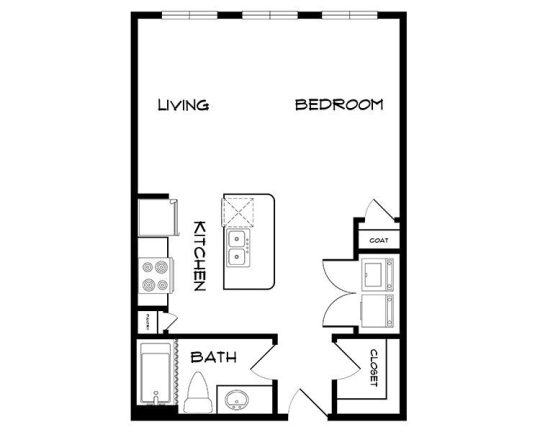
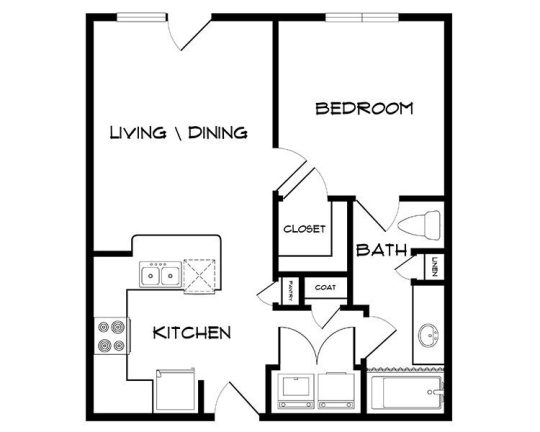
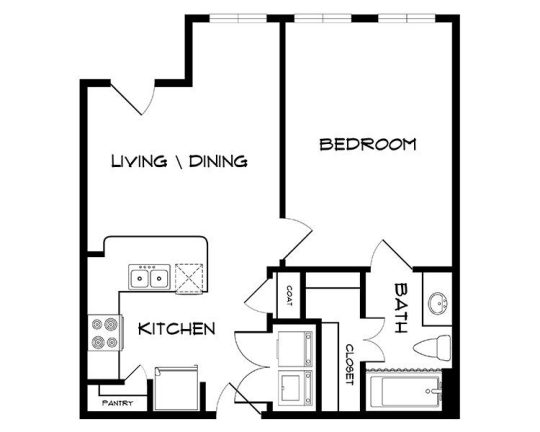
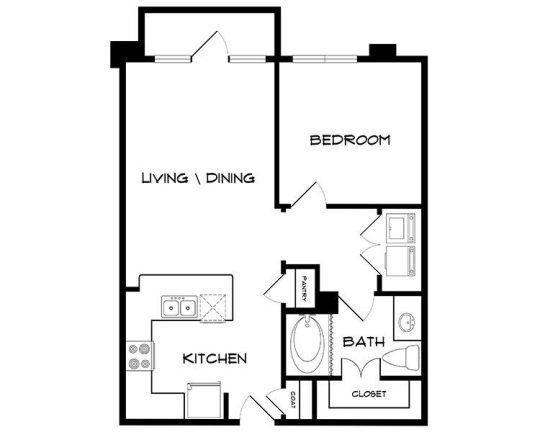
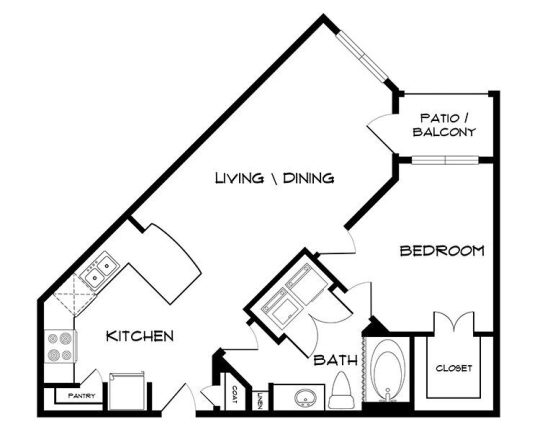
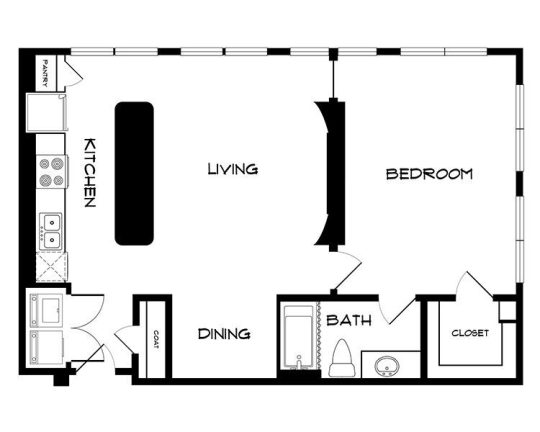
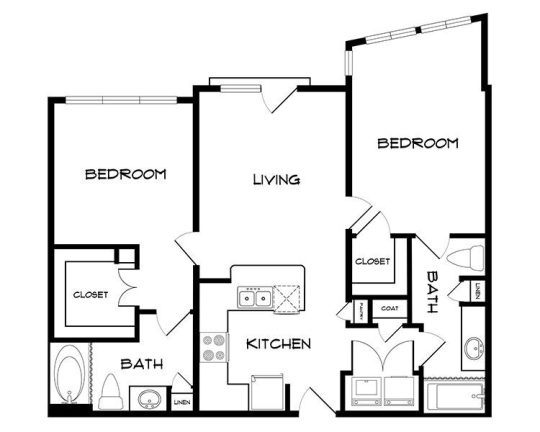
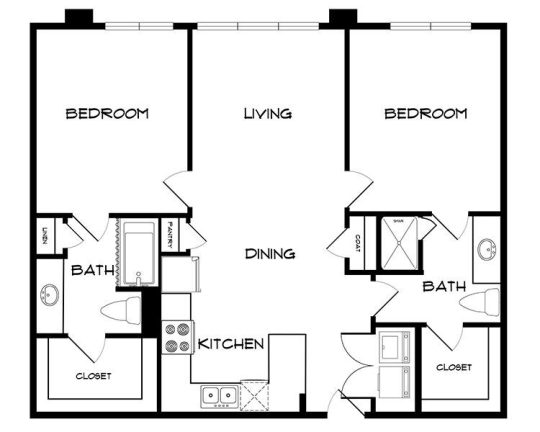
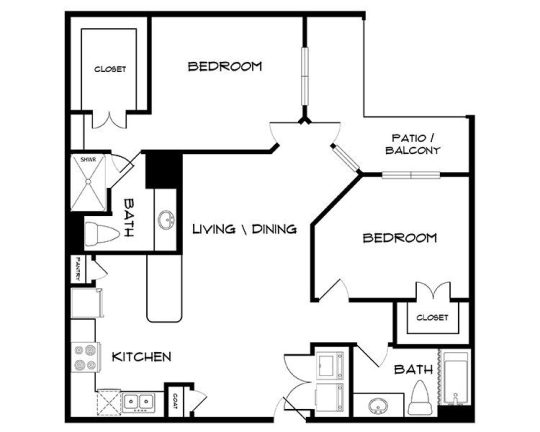
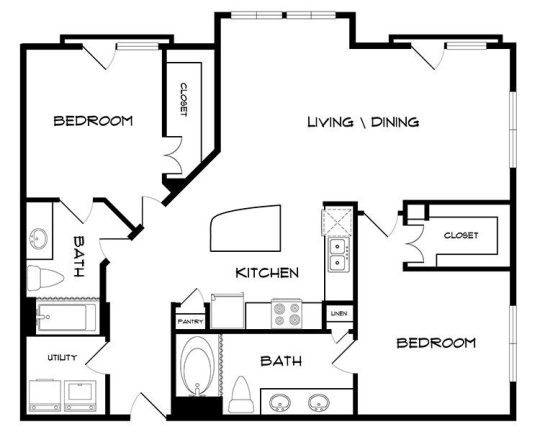
The apartment mix may matter if transit access is part of a broader household decision. South 400 offers studio, one-bedroom, and two-bedroom floor plans, so a solo commuter, a couple with one downtown worker, or roommates sharing transit and car costs may all find layouts worth comparing. Current pricing, move-in timing, and lease details can change, so those should be confirmed directly with the leasing team rather than assumed from any snapshot.
If this is your search, the best next step is simple: tour South 400, then test your real route to Fort Worth Central Station and ask specifically which first-floor retail spaces are operating now. That will tell you more than a map search can about whether the building supports the way you actually plan to live.