
Yes, renters looking for apartments near Fort Worth Central Station with package lockers should compare two separate questions: how practical the station is for daily travel, and how the building handles deliveries when you are not home. Fort Worth Central Station is the city’s main downtown transit hub for Trinity Metro services and TEXRail, so a nearby apartment can make regional trips easier, but package convenience depends on the community’s actual delivery setup and whether it fits your routine.
At South 400, the established package-related amenity is package reception, not advertised package lockers, so that distinction matters if you regularly receive time-sensitive or high-volume deliveries. The property is at 400 S Jennings Ave in Fort Worth, and because package systems can change over time, the best next step is to verify exactly how accepted packages are stored, when residents can retrieve them, and whether carrier access differs by service.
What Fort Worth Central Station actually offers renters
Fort Worth Central Station is an important transit connection point in downtown Fort Worth. It serves as a hub for Trinity Metro bus service and TEXRail, and it also connects with other passenger rail options in the downtown area. For renters, that matters because living near the station can support more than one kind of trip: commuting into downtown, reaching other parts of Tarrant County by bus, or using regional rail for airport-oriented and intercity connections.
The practical benefit of living near a major station is usually flexibility, not just raw distance. A station area can work very differently for someone who rides transit daily than for someone who only uses it for occasional airport trips, weekend events, or one office day per week. Before choosing an apartment based on the station alone, it helps to check which specific line or service you would use most often, what time your first and last trips occur, and whether you would need a transfer.
Central Station is also a downtown environment, which affects how “near” feels in real life. A short map measurement does not answer whether your route is comfortable in work clothes, manageable in summer heat, or practical when carrying groceries, luggage, or a laptop bag. For that reason, renters should test the route at the time of day they would actually travel, or use current maps and street-view tools to review crossings, sidewalks, lighting, and the building entrance sequence.
If your work hours are irregular, verify current schedules directly with Trinity Metro and any rail operator you plan to use. Service patterns, first-train timing, weekend frequency, and event-day conditions can change, and those details have more impact on day-to-day satisfaction than a broad claim that an apartment is close to transit. A good station-area choice is one that still works on your earliest mornings, latest returns, and busiest errands.
Why package lockers are a separate decision from transit access
Many renters search for package lockers because transit-oriented living often goes with busy schedules. If you commute by rail, work long shifts, or travel often, secure package handling can be the difference between easy delivery days and repeated pickup delays. Lockers and package reception are not the same thing, and one is not automatically interchangeable with the other.
Package lockers typically appeal to residents who want self-service pickup outside office interaction, especially if they receive deliveries at inconsistent hours. Package reception, by contrast, usually means the community accepts or manages incoming packages through a staffed or controlled process. That may work well for some households, but the experience depends on details such as notification methods, retrieval hours, carrier participation, oversized parcel handling, and what happens during holidays or high-volume delivery periods.
At South 400, the public amenity list identifies package reception. That is useful, but it is not the same as a confirmed locker system, so renters who specifically want lockers should ask directly. Good questions include whether packages are placed in a dedicated room, whether couriers deliver to one central point, whether refrigerated or oversized items need special handling, and whether residents can access deliveries after office hours.
This is also where your household pattern matters. A resident who receives occasional standard parcels may find package reception fully sufficient. Someone who orders frequently, gets medical shipments, or shares deliveries across multiple roommates may care much more about retrieval timing and storage procedures. When comparing communities, ask each one to describe the package process step by step rather than relying on a broad amenity label.
How South 400 fits the station-and-delivery question
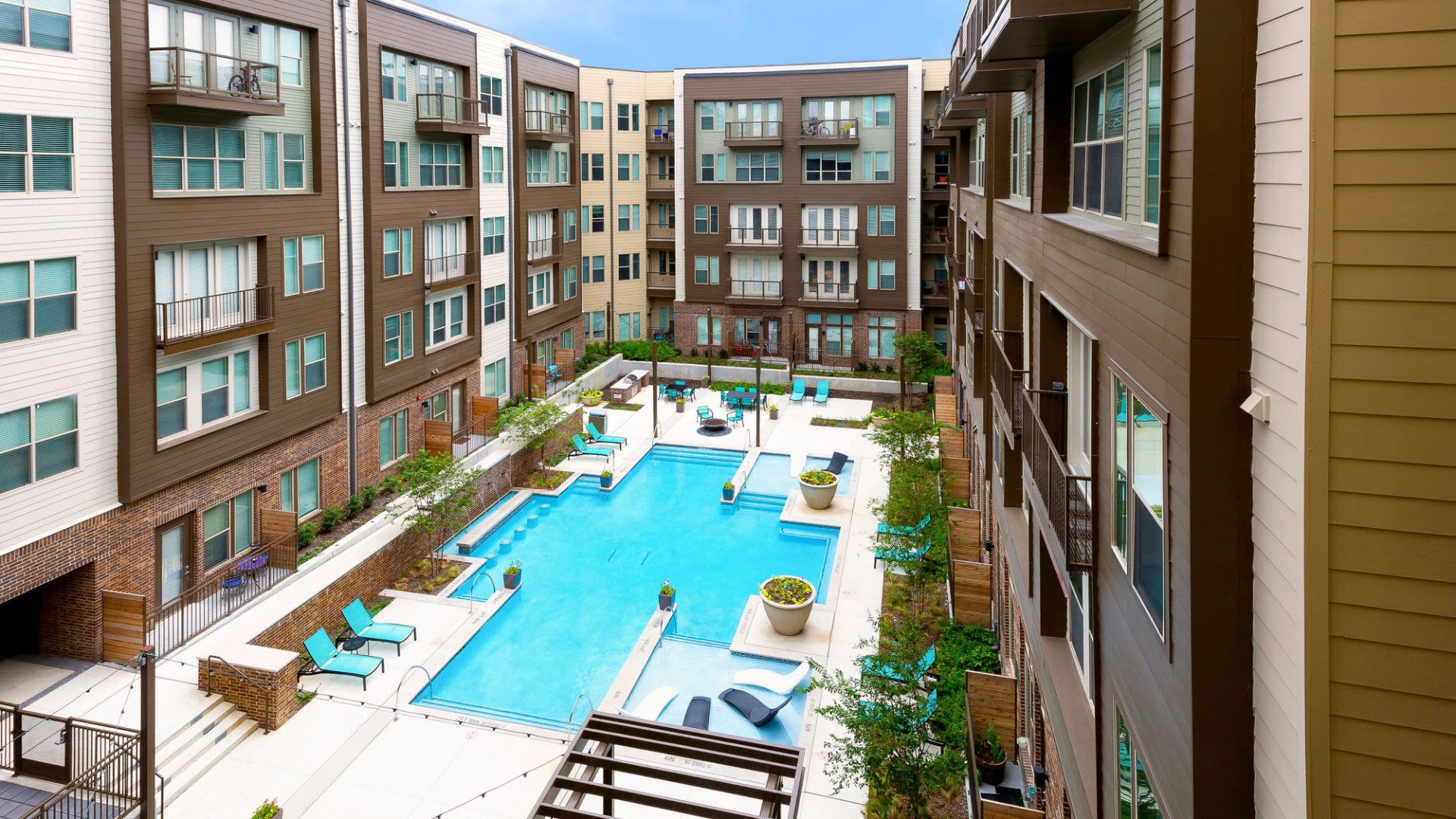
South 400 is relevant to this search because it combines a location near public transportation with building features that support day-to-day logistics. The community advertises near public transportation station, secured corridors and elevators, a limited access parking garage, bicycle storage, and package reception. For a renter balancing transit use with deliveries, those facts are more useful than generic marketing language because they speak to how you would actually move between home, station, and package pickup.
The parking garage matters even for residents who expect to use transit regularly. Many station-area renters still drive for some trips, especially for weekend errands, late-night returns, or destinations not well served by transit. A building that supports both modes can be a better fit than one that assumes a car-free lifestyle or, at the other extreme, requires driving for every daily need.
Bicycle storage is another practical consideration for Central Station users. Some renters prefer to cover the first or last leg of a trip by bike instead of on foot, particularly when temperatures rise or schedules are tight. If that is your plan, ask not only about storage access but also about your likely route to the station, bike-entry procedures, and whether your specific apartment location within the building affects how easy that routine will feel.
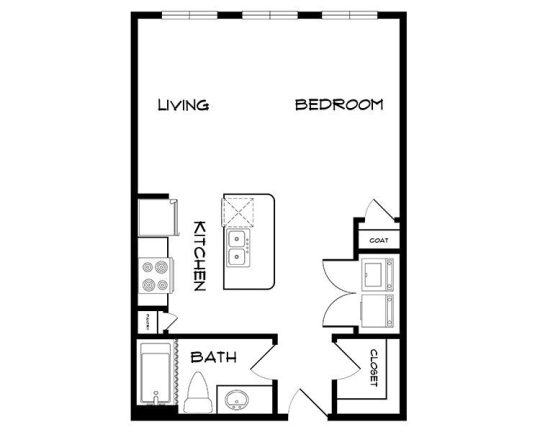
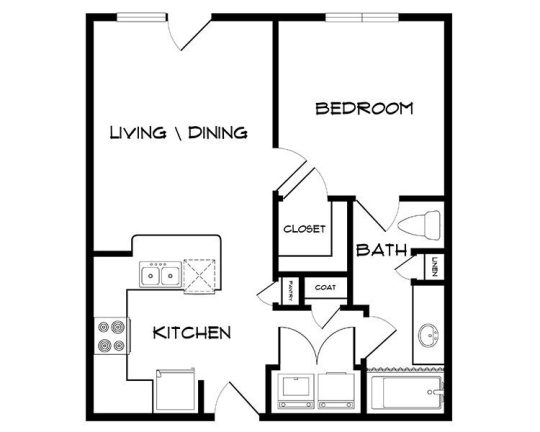
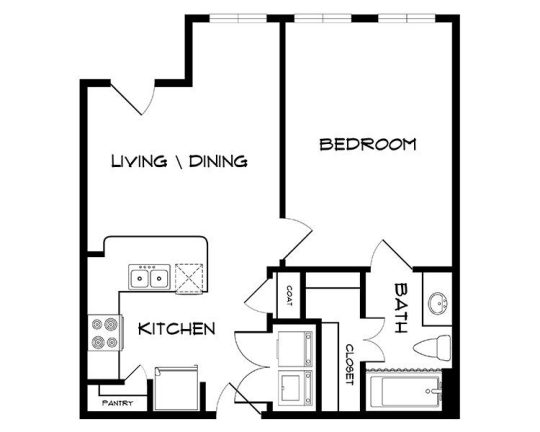
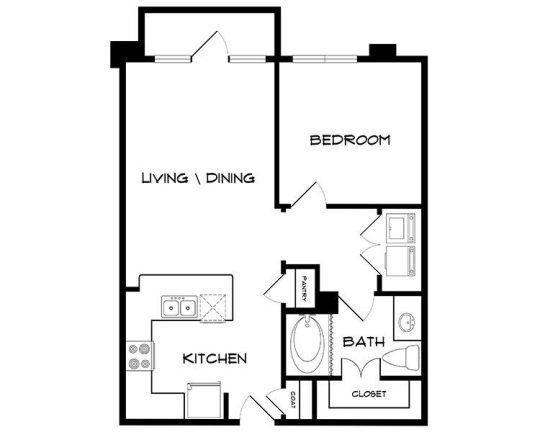
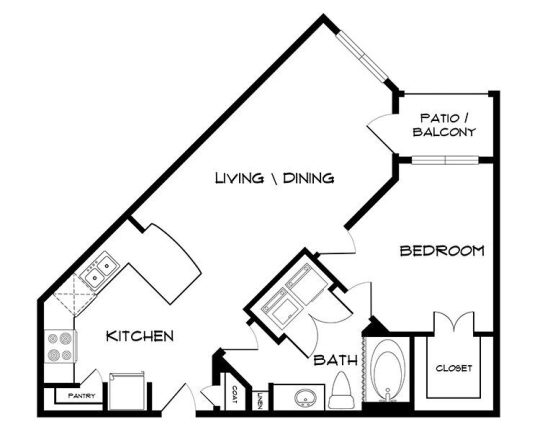
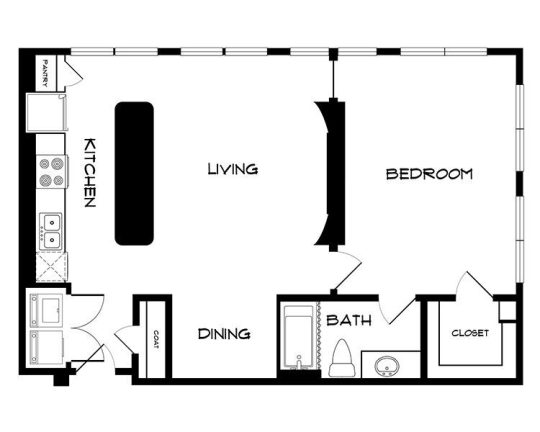
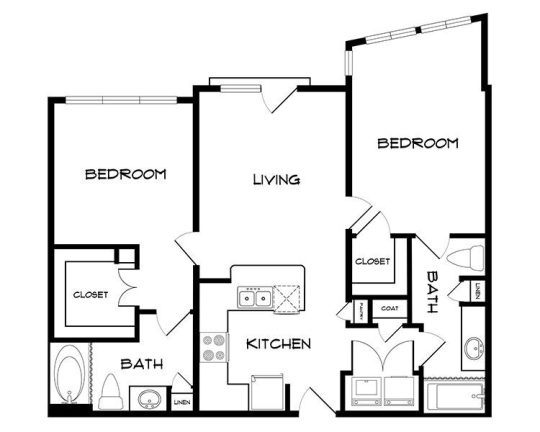
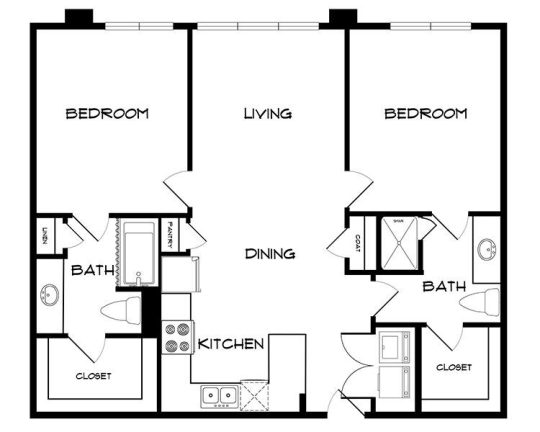
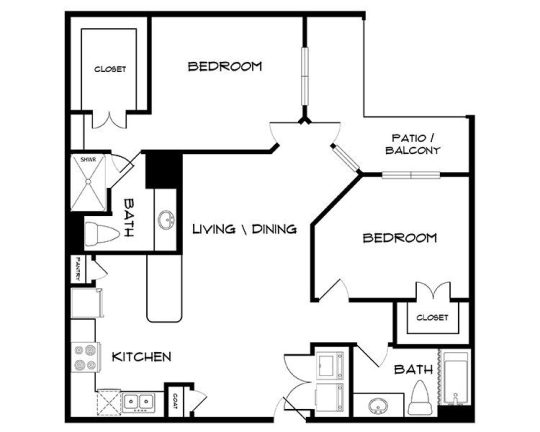
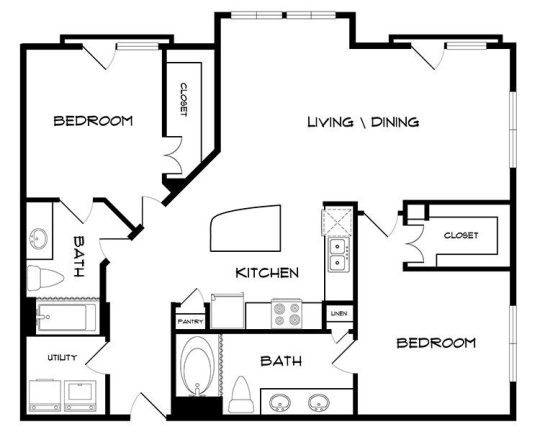
South 400 offers layouts from a studio to two-bedroom floor plans, including studio, one-bedroom, and two-bedroom options, which can matter if package volume or schedule complexity is tied to household size. A solo renter with occasional deliveries may evaluate the building differently than a two-person household receiving multiple weekly parcels. Rather than treating transit access and package handling as separate checkboxes, ask the leasing team to walk you through both during one tour: where you would enter from the street or garage, how packages are accepted, and what resident access looks like outside office hours.
If this is the area you are considering, a practical next step is to tour South 400 with your real routine in mind, then verify the walking or biking route to Fort Worth Central Station and ask the team to show you exactly how package reception works for residents today.